Optimal Timing for Banister Paint Stripping
Timing plays a crucial role in the effectiveness and safety of banister paint strippings. The optimal period depends on environmental conditions, paint type, and project scope. Proper scheduling ensures thorough removal and minimizes risks associated with paint fumes and surface damage.
Spring and early fall are preferred due to moderate temperatures and humidity levels, which facilitate safer and more efficient paint removal.
Dry, mild weather reduces the risk of moisture-related issues and ensures proper ventilation during the stripping process.
Longer daylight hours in certain seasons allow for better planning and completion of stripping tasks within optimal conditions.
Older paints containing lead or other hazardous materials may require specific timing and precautions, often best handled during controlled indoor conditions.
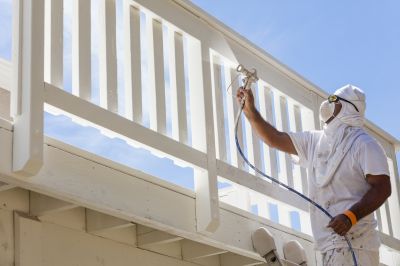
Optimal due to moderate weather, reducing risks associated with extreme temperatures.
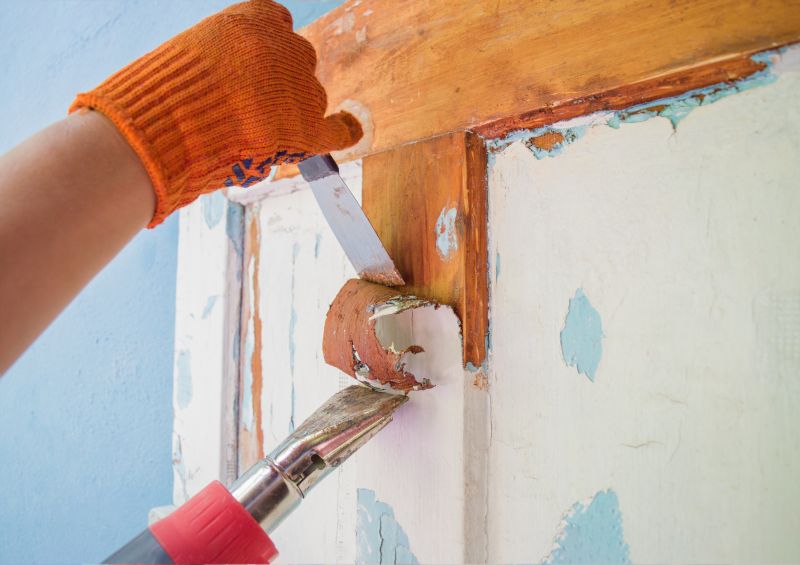
Ideal for controlled environments, especially when outdoor conditions are unsuitable.
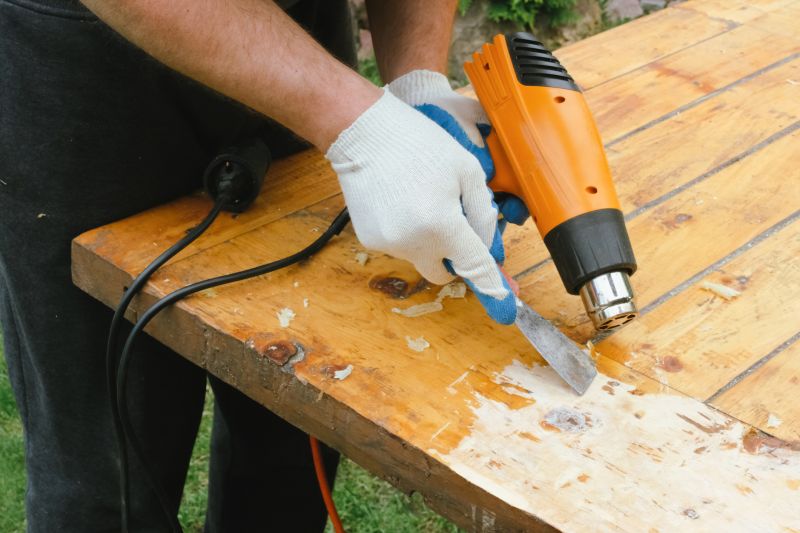
Requires careful planning to avoid heat-related issues and ensure proper ventilation.

Ways to make Banister Paint Strippings work in tight or awkward layouts.
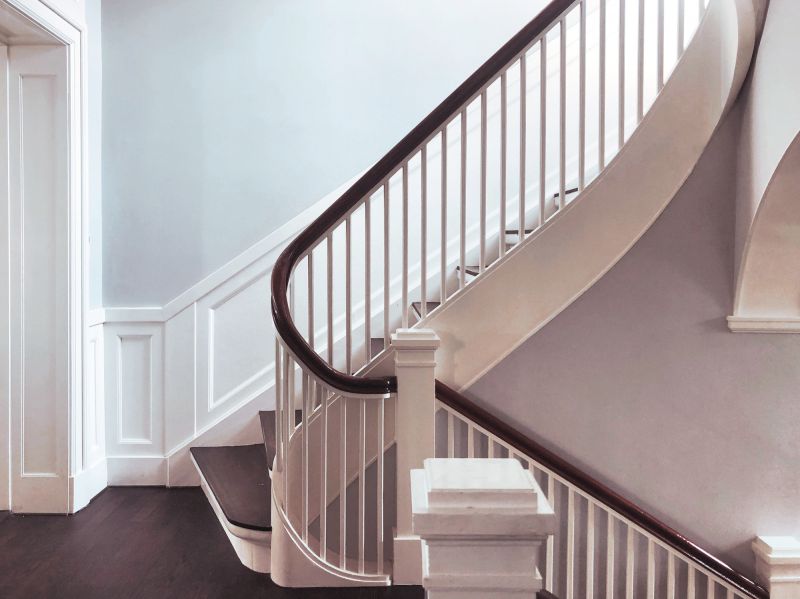
Popular materials for Banister Paint Strippings and why they hold up over time.
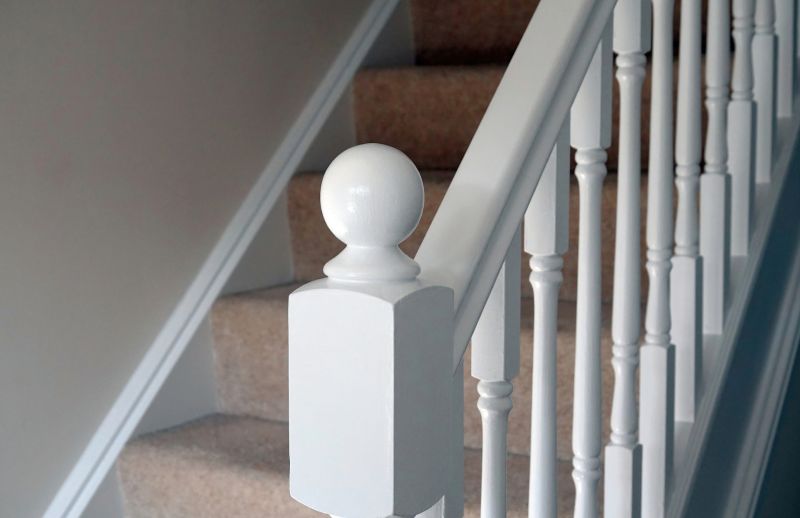
Simple add-ons that improve Banister Paint Strippings without blowing the budget.
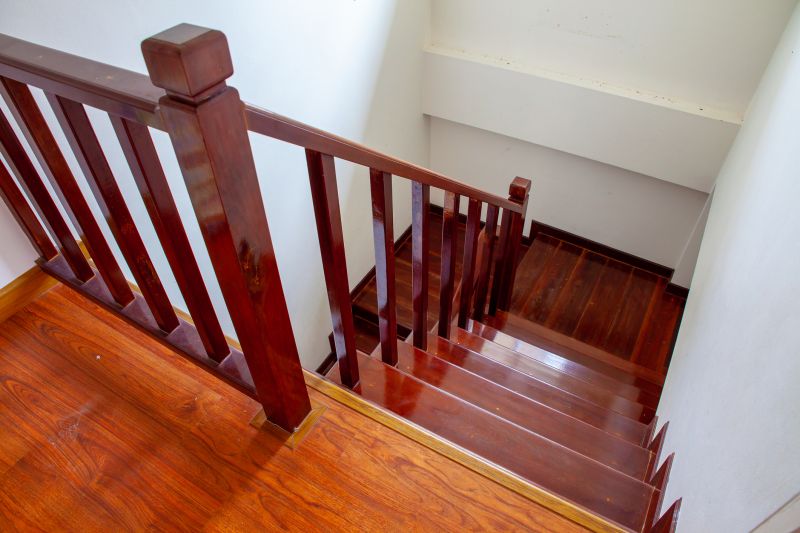
High-end options that actually feel worth it for Banister Paint Strippings.
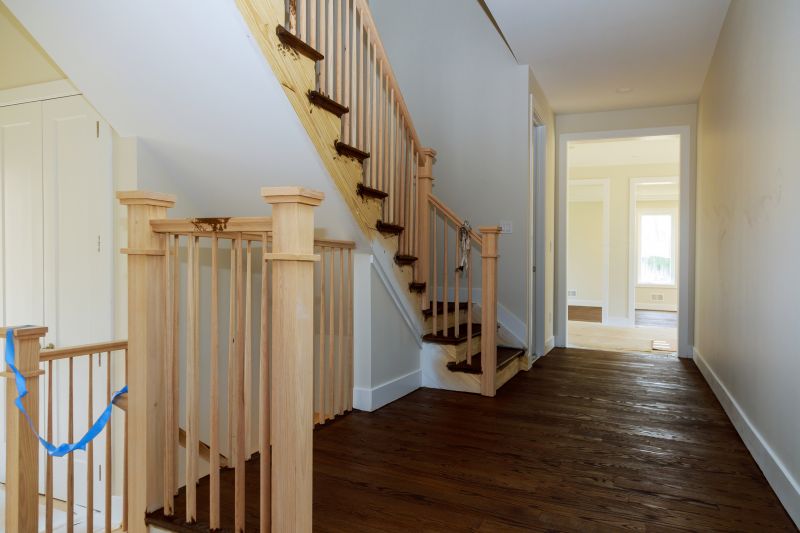
Finishes and colors that play nicely with Banister Paint Strippings.
| Season | Advantages |
|---|---|
| Spring | Moderate temperatures and humidity, ideal for safe stripping. |
| Summer | Longer days, but requires precautions against heat. |
| Fall | Cooler weather and less humidity, suitable for outdoor projects. |
| Winter | Best for indoor stripping, with controlled conditions. |
Banister paint strippings involve removing old or damaged paint from stair railings and surrounding woodwork. This process is essential for restoring the appearance and preparing surfaces for refinishing. Proper timing ensures that the stripping is effective and reduces potential health and safety risks associated with paint fumes and debris.
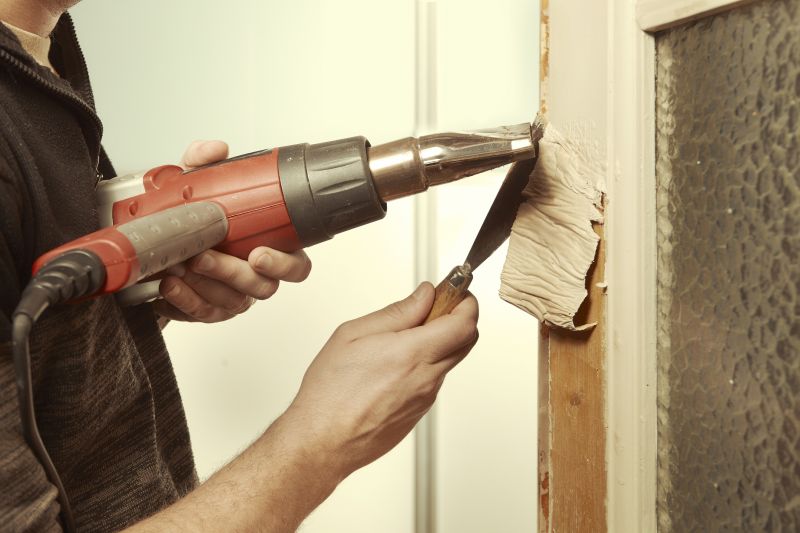
Use of chemical removers or heat guns depends on the paint type and environmental conditions.
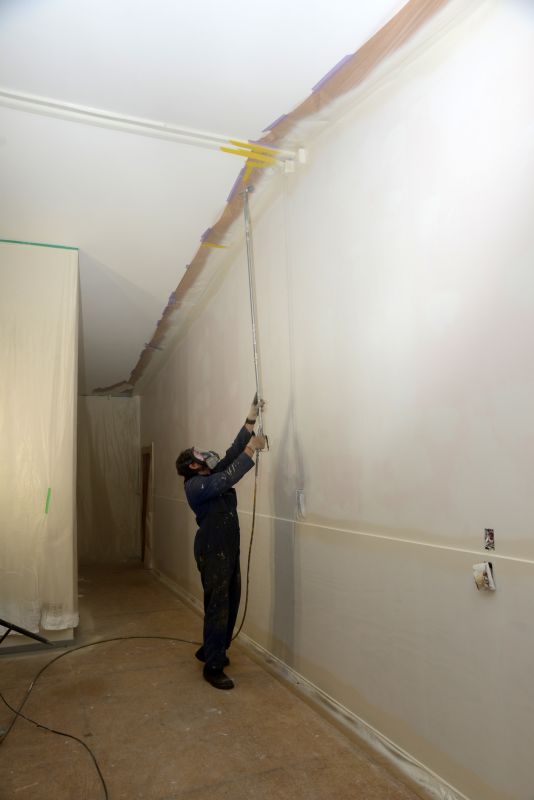
Protective gear is essential during stripping to prevent exposure to hazardous materials.
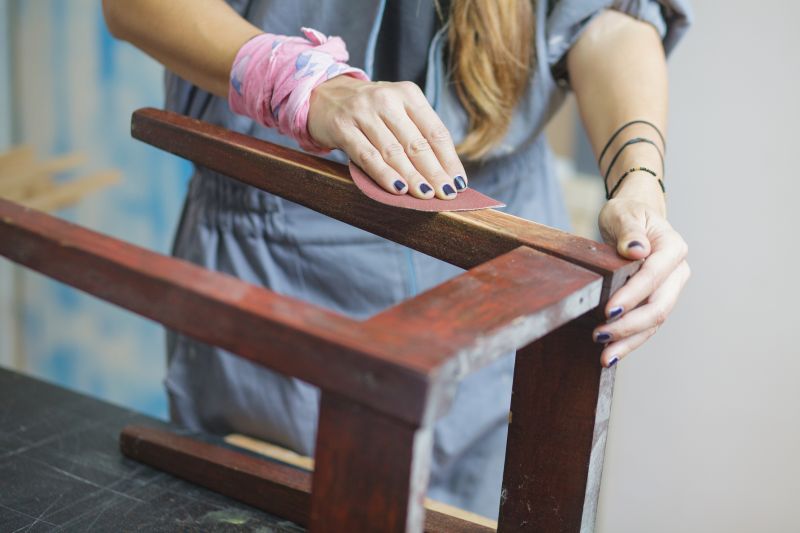
Cleaning and sanding are crucial steps before applying new paint or finish.
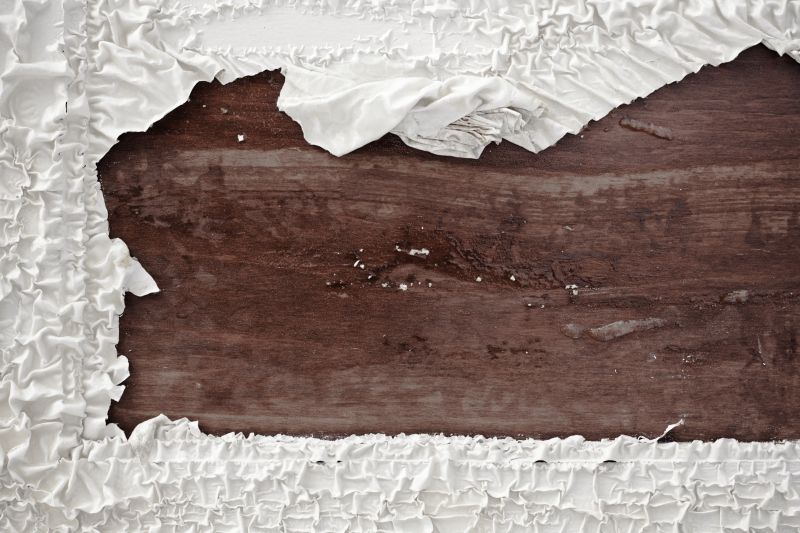
Inspecting for residual paint or damage ensures a smooth finishing process.
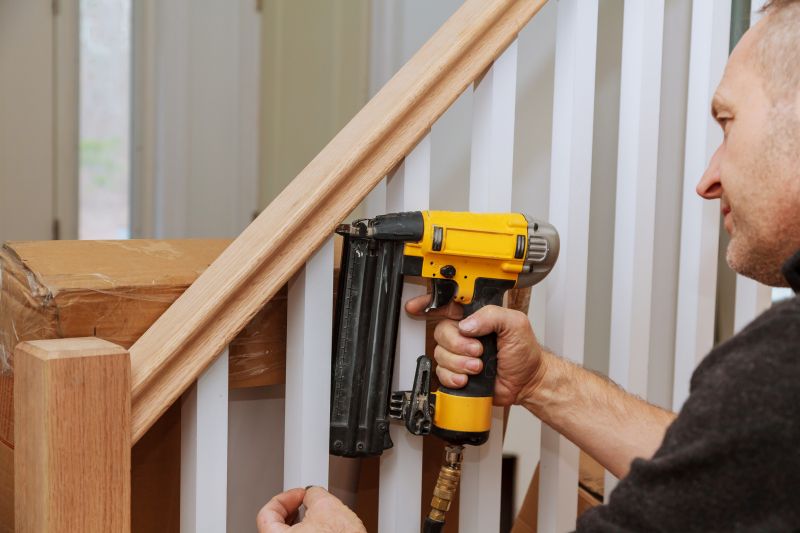
Little measurements that prevent headaches on Banister Paint Strippings day.

A 60-second routine that keeps Banister Paint Strippings looking new.
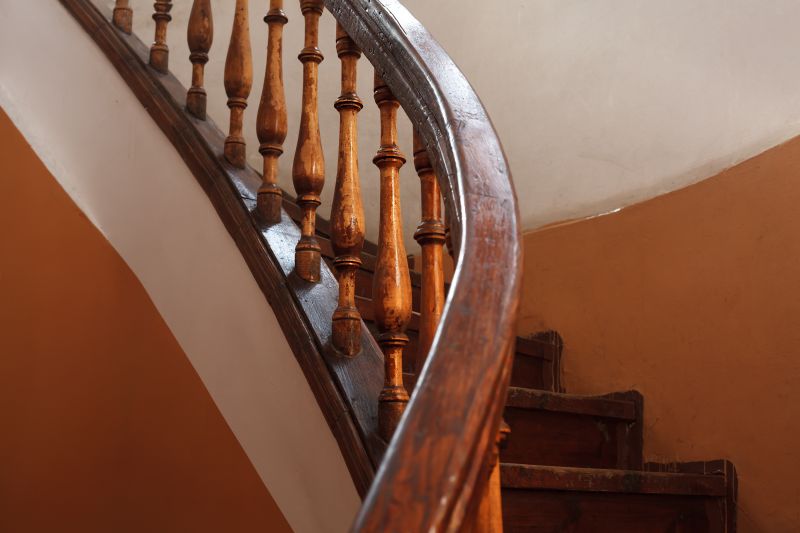
A frequent mistake in Banister Paint Strippings and how to dodge it.
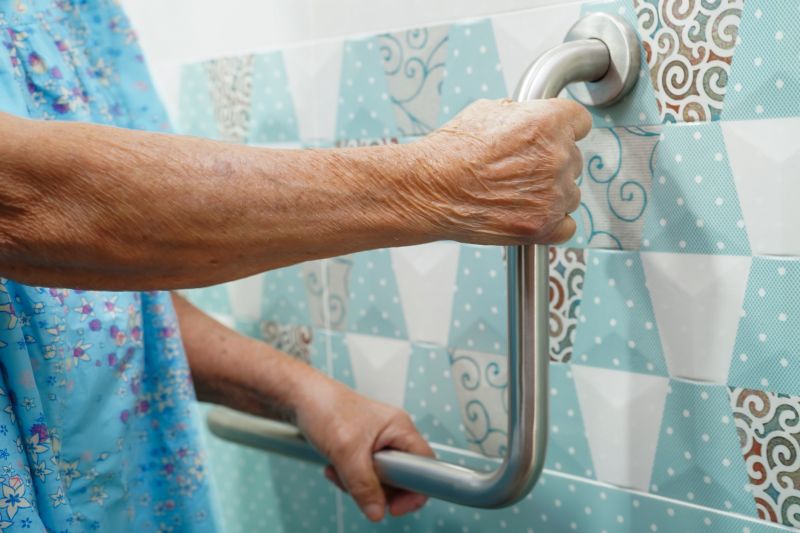
Small tweaks to make Banister Paint Strippings safer and easier to use.
Choosing the right time for banister paint strippings depends on environmental factors and project specifics. Scheduling during optimal seasons minimizes complications and enhances safety. Indoor projects can be planned year-round with proper climate control, while outdoor work benefits from favorable weather conditions.
Interested in scheduling a paint stripping project? Fill out the contact form to receive more information and assistance.